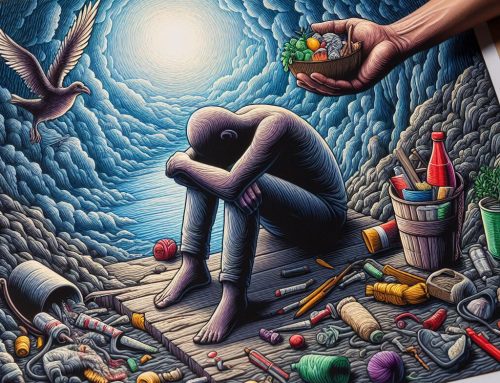
In a small town, there was a young woman named Emma who always felt stressed when it came to her finances. She worked hard, earned a decent salary, yet somehow, by the end of each month, she felt like her money had disappeared without a trace. The cycle of uncertainty kept repeating itself, leaving her anxious about her bills, her savings, and her future.
One day, after a particularly frustrating experience of running short before payday, Emma’s friend Lily, a financial planner, gave her some life-changing advice. “Emma,” Lily said, “you need to start tracking your expenses regularly. It’ll help you understand where your money is going—and more importantly, where you’d like it to go instead.”
Intrigued, Emma decided to take the plunge. She downloaded a simple expense tracking app and started recording every single purchase she made, from her morning coffee to her rent payment. After a month, she was amazed at what she saw. Small daily expenses—those $5 coffees, quick lunches, and spontaneous shopping sprees—added up to hundreds of dollars.
For the first time, Emma had a clear and accurate picture of where her money was going. She realized that a lot of it was being spent on things that weren’t necessary or aligned with her true financial goals. She wanted to save for a vacation, pay off her credit card debt, and build an emergency fund, but her untracked spending had been derailing those plans.
Lily’s second piece of advice echoed in Emma’s mind: “Use a budget to decide where you want your money to go next.” Emma took a deep breath and sat down to create a budget. She listed all her fixed expenses—rent, utilities, insurance—and then set realistic limits for variable costs like groceries, entertainment, and dining out. She also made sure to prioritize her savings goals by automatically setting aside a portion of her paycheck each month.
With her new budget in place, Emma began to feel a sense of control over her finances that she’d never had before. The stress of running out of money vanished, and she no longer dreaded checking her bank balance. She was now able to accurately account for all the bills she needed to pay and plan for her future.
As months passed, Emma not only paid off her debt but also saved enough for her dream vacation. All because she took the time to track her expenses, understand her spending habits, and create a budget that worked for her. Her money was no longer a source of anxiety but a tool she could manage and direct toward a life she truly wanted.
Tracking your expenses may seem like a small step, but it can have a big impact. Like Emma, once you have an accurate picture of where your money is going, you can begin to steer it toward where you’d like it to go—helping you achieve financial peace of mind.